

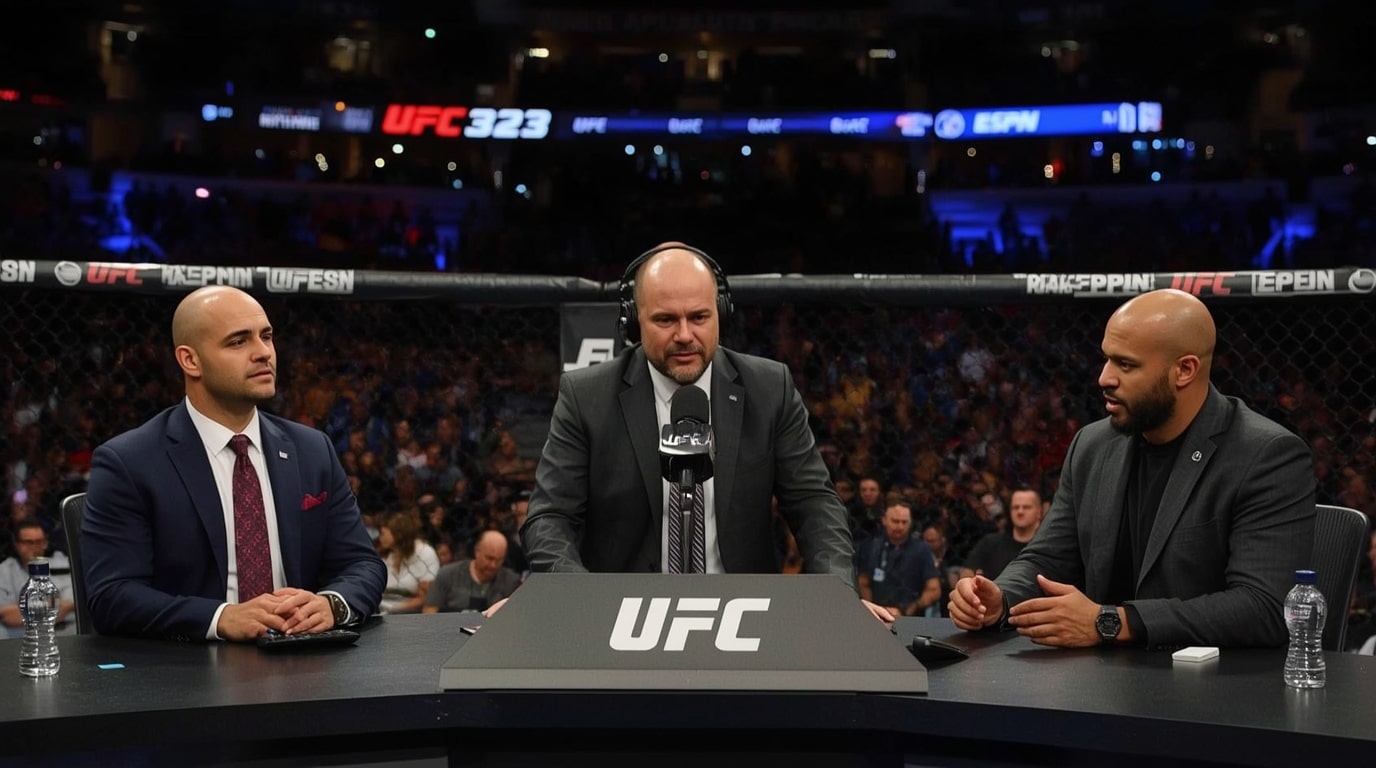
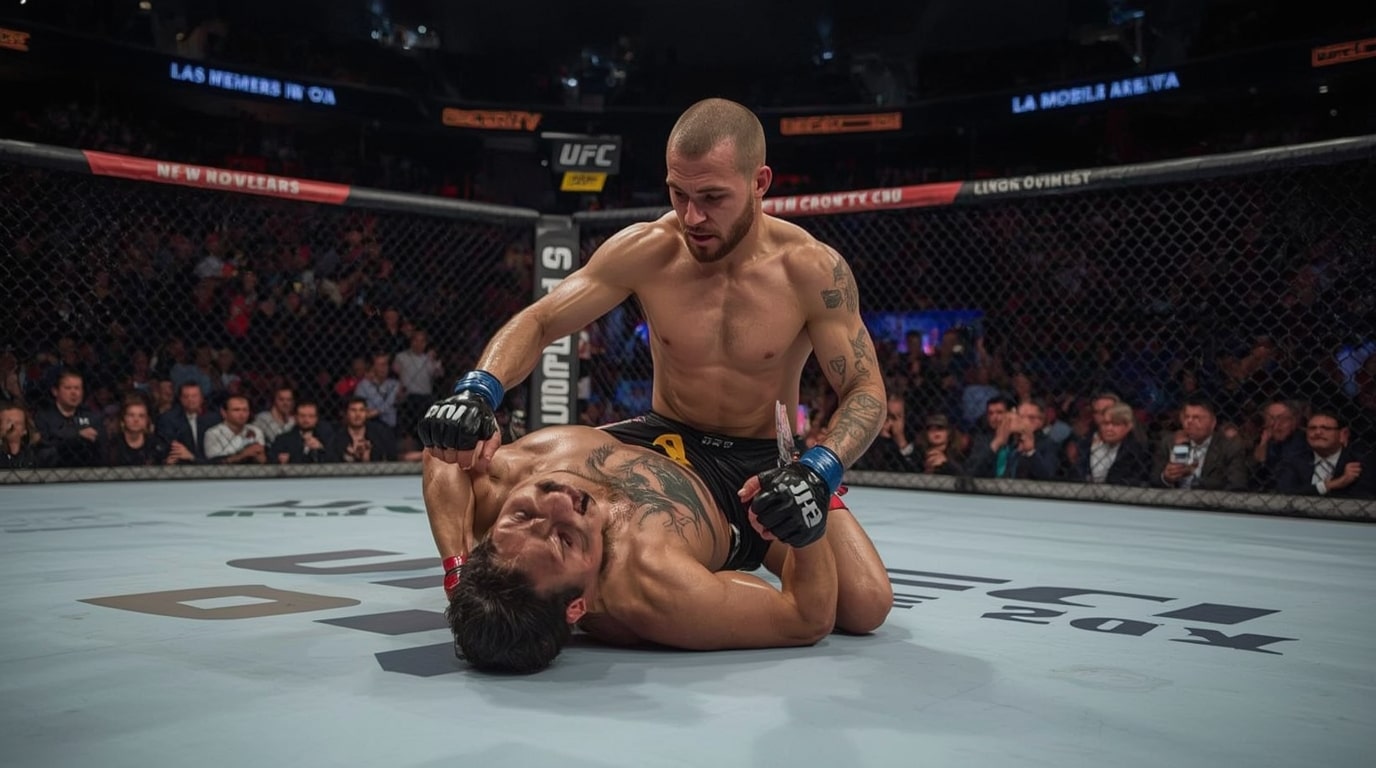
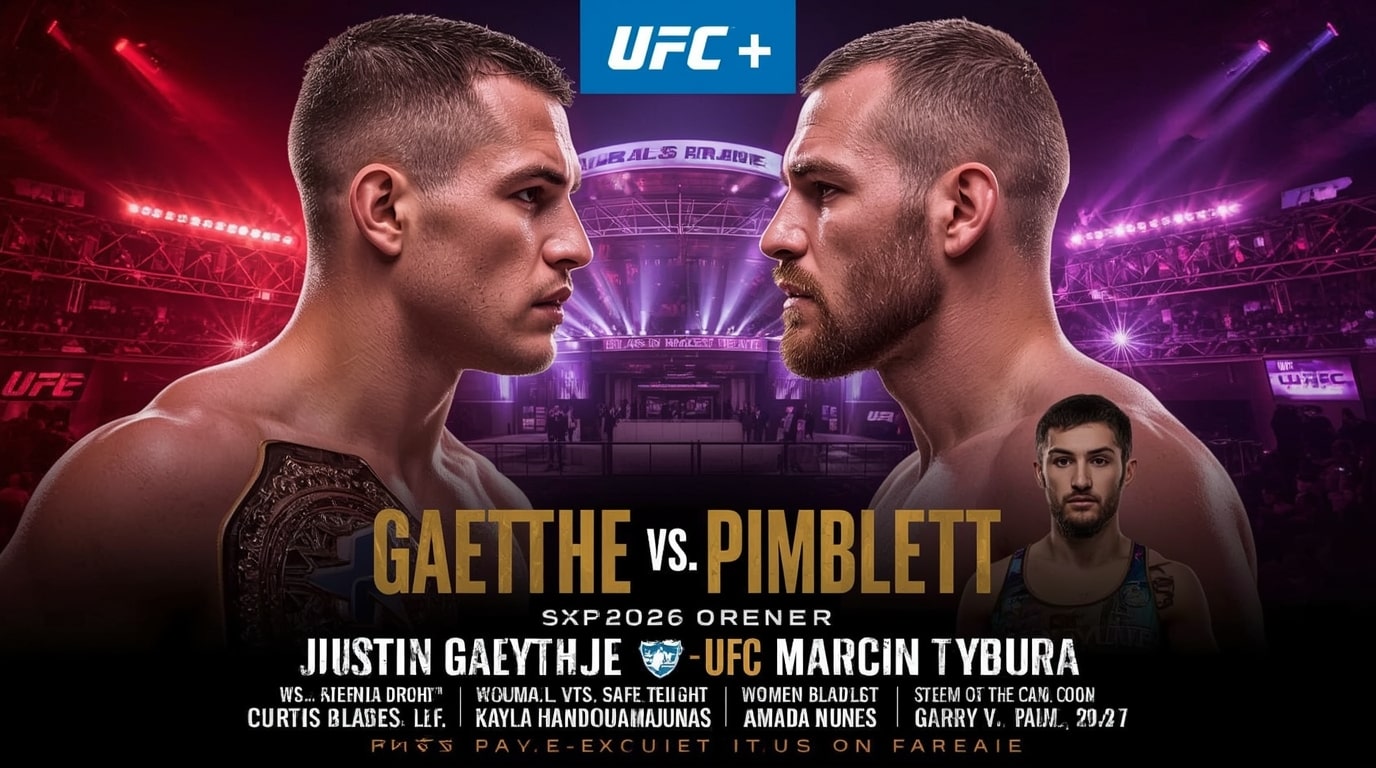
When the lights are lowered in T-Mobile Arena in Las Vegas on December 6, 2025, there will be a crackling atmosphere of anticipation for UFC 323. Then, even greater than the ballets of crushing and wrestling of fists that the octagon makes, a more tender and more significant closure is happening. Gravel-voiced philosopher-fighter Joe Rogan, who has provided commentary on mixed martial arts overload throughout the last two decades, enters the booth what is his last pay-per-view broadcast.
Alongside play-by-play maestro Jon Anik and other colour analysts, Daniel Cormier and Rogan make up the ESPN era, a unification that has transformed the way the world watches cage combat. This is not only an ode to the send-off of a single man but also a paradigmatic shift in the evolution of the MMA media, such as the disjointed paywalls to streaming horizons without a hitch.
The microphone in the hands of Rogan started in the primordial, shaggy times of the UFC establishment. He was hired in 1997 to work at a paltry 750 per event, wearing a black belt in taekwondo and Brazilian jiu-jitsu, with an encyclopedic understanding of martial arts and a raw passion which echoed the crude ethos of the sport.
Initial broadcasts were sham shows, aired on the rough cable channels to very narrow audiences who did not believe in the legitimacy of MMA. The role of Roger became more of an evangelist than an analyst and made moments that would be considered as underground scraps lively. His deconstruction of the methods, breaking down the rear-naked choke like a street preacher, demystified the violence and had a convert among casual observers.
Throughout the last 25 years, Rogan announced over 600 events, and UFC transformed into a billion-dollar juggernaut. His is a legacy of sincerity rather than fine-tuning punditry. He was an advocate of fighters as an underdog, an expositor of the controversy of judging in a blunt style, a demystifier of the backstage of the glamour. Rogan was just as credible a voice in an era when MMA was scorned as a form of human cockfighting, where the gap between purists and pop culture exists.
Memorable phrases are remembered by the fans, such as his ecstatic screams when Anderson Silva was destroying people during prime time or the sad thoughts after a devastating defeat. But his impact was not confined to the booth: the podcast empire by Rogan expanded the reach of MMA, attracting celebrities and causing people to argue in the echoes of the arenas. According to one of his longtime observers in a recent online discussion, Joe was not just commentating but could make you feel the heartbeat of the fight.
The New Media Landscape: The Dawn
UFC 323 is the final episode of ESPN’s relationship, a seven-year agreement signed in 2018 that expanded the publicity of the promotion but stuck to the outdated pay-per-view business model. ESPN+ subscriptions cost fans up to $70 per marquee card, which, though profitable, had the opposite effect of making access more limited, earning the company more than 1 billion annually.
The period concludes with a final clearance in 2025 and a new revolutionary deal with Paramount Global at 7.7 billion in seven years. According to this agreement, all 13 numbered events and 30 Fight Nights become the sole property of Paramount+, with some cards being simulcast on CBS to receive a free-to-air exposure.
The change breaks down the PPV castle and includes the premium content under a flat-rate subscription, estimated to be around 12 dollars per month, but prices can be adjusted after launch. Paramount+ + sees UFC as a subscriber bait, and uses bundling it with CBS Sports and the combat libraries of Showtime to attract cordcutters.
This reflects larger trends in media in sports: the NBA and NFL are testing streaming, Peacock, and WWE pivot. In the case of MMA, it is an indication of democratisation. Fans do not have to work their way up or down the pricing ladder or via black markets to watch fights anymore; a fight is as easy to watch as a series. But it is fraught with difficulty. Paramount has to increase its infrastructure to accommodate the UFC rabid, real-time interest, where any type of delay is a frenzy.
The Implication of Commentary to Fan Engagement
Commentary is not narration, but the path of emotion between the understanding and the inexplicable. The visceral, profane, and radically knowledgeable style of Rogan created indestructible connections with listeners. He took battles to a level of stories, incorporating personal stories and strategic mini-games that made the audience stick together in breaks.
This is unlike the early days of MMA, whereby the televisions were full of gives-no-cals ex-boxers or hype-men who have no credibility in a cage. What comes to mind is the Pride FC TV shows of the 1990s, which were full of entertainment and yet short on substance, or the good old days of UFC when Mike Goldberg was the announcer, competent but sterile. The sense of humour and heart that Rogan gave to the event, such as the flying knee of a prospect bringing down a cheering undercard, needles to the retention, transforming watching into roaring.
Statistics back it up: According to industry data, UFC events featuring Rogan received, on average, 20% more social media spikes during calls involving the celebrity. His extempore diets, psychedelics or fighter psyches made the violence humanised and his followers loyal in a sport where star shines bright but short.
With the replacement of linear TV by streaming, the role of commentary increases. A platform such as Paramount+ will offer interactive overlays, such as live polls, AR breakdowns, that will potentially turn the booth into a virtual war room.
Does Rogan have successors who will be equally charismatic? Cormier, in his championship weight, has gravitas; the newcomers, such as Laura Sank, can introduce new insights. It is difficult, however, to emulate the alchemy of Rogan, who combined both the skills and the ability to be familiar to the everyman.
Voices from the Fandom
The news of Rogan leaving gave rise to a flood of emotions in social circles. On X, the new Twitter, there were fans who grieved and rejoiced equally. What a fantastic farewell to the commentating of Joe Rogan! cried one of the worshippers, snatching the sweet stinginess. Threads were filled with montages of his best calls since the time of Ronda Rousey to the reign of Islam Makhachev.
One of the old fans said that Joe did that to UFC, making it feel like family barbecues, gladiatorial, in a raw, real, and memorable way. However, not all the nostalgia was uncritical; some criticised his sometimes biased nature, such as post-fight interviews going wrong, with one fighter at one time throwing a tirade at a perceived slight. Nevertheless, the chorus is more of a prayer: “Still the chorus is on the side of reverence: “Rogan didn’t just call fights; he fired them, another poster, in gratification of a grateful generation.
Die-hards are interviewed, and there are deeper connections. One of the podcast hosts in Chicago, who has attended 50 or more events, said that Joe was my entry point. I would have remained doing boxing without him hyping the underdogs.
In Europe, with time zones that divide viewings, viewers attribute the globalisation of MMA by Rogan with the help of easy breakdowns. These responses show the strength of commentary: it is the fire starter that transforms viewers into investors.
Perspective: The Global Streaming Age of MMA
MMA is shining with media traps and opportunities as Rogan bows out. The model proposed by Paramount+ + has the potential to put a bomb on the size of the sport by attracting 100 million subscribers to the U.S. by adding UFC content to Yellowstone reruns and NFL simulcasts.
Globally, Paramount is looking at expansions, which may match local TV stations in penetrating markets such as Asia and Latin America, where MMA is growing faster than soccer in spots. Improved analytics: predictive AI outcomes, strike heat maps, etc., may be included in streams, which attracts tech-savvy young people.
However, saturation is the result of accessibility. In the absence of PPV exclusivity, will the casuals come in, or does the firehose make drama less appealing? The expectations of fans lean towards innovation: more diverse casts of analysts, including divisions of women, and international talents; VR in the cageside feel.
As Rogan leaves, it opens the door to the possibility of reinventing based on him, possibly a hybrid booth of veterans and TikTok experts. To have a global presence, streaming breaks down borders: a Mumbai night owl streams the same content as a Manhattanite and creates a single fandom.
Ultimately, the UFC 323 is the last call that Rogan makes, but it is a comma. It celebrates a voice that screamed MMA into the mainstream and ushered in a new age when the sport is shedding the chains of the old paradigms.
With the last lash of ESPN supremacy, there remains one fact: in the octagon of evolution, the battle of hearts is eternal. Fans, warriors, and television people come out; they are willing to write the next chapter, one stream, one hit, one memorable story at a time.


Leave a Reply